

Juice your way to freshness!
A refreshing, cold fruit juice is exactly what you need to satisfy your thirst and taste buds on a hot and sunny summer’s day. Drinking fruit juice can be a good way to get the recommended amount of fruit in for the day. Fruit juices are an excellent source of vitamins and nutrients and can be a part of a healthy diet.
When most people think of fruit juice, they think of orange or apple juice, which are the most popular. However, there are many other popular fruit juices available in the markets that vary in nutritional value, depending on the fruits they derive from and the processing methods.
Among the most common fruit juices that can be found in the markets are orange juice, apple juice, grapefruit juice, tangerine juice, exotic fruit juice, mango juice, pineapple juice, pomegranate juice, grape juice, cranberry juice, coconut juice, lemon juice, banana juice, strawberry juice, papaya juice.
Fruit juices contain different vitamins and other nutrients or may be higher in sugar and calories, meaning consumers should consume them with moderation. When buying or drinking, you need to remember to read the label to understand the ingredients of the juice, such as the type of fruit, the content of fruit, the content of sugar as well as other ingredients.
It is important to choose 100% fruit juice, rather than soft drinks made with fruit juice, because the nutritional value per calorie is more beneficial in 100% juice.
Vitae, amet amet in maecenas aliquet ipsum. Lobortis bibendum ut massa lorem blandit pellentesque in varius facilisis. Id lectus in nibh sit sem tristique pharetra .
Tincidunt dictum nec sodales nunc viverra massa. Egestas sed id nunc arcu malesuada adipiscing orci id turpis. Convallis mollis vulputate quam egestas.

Take a sip!
It is important to choose 100% fruit juice, rather than soft drinks made with fruit juice, because the nutritional value per calorie is more beneficial in 100% juice.

When buying or drinking, you need to remember to read the label to understand the ingredients of the juice, such as the type of fruit, the content of fruit, the content of sugar as well as other ingredients.

Fruit juices contain different vitamins and other nutrients or may be higher in sugar and calories, meaning consumers should consume them with moderation.

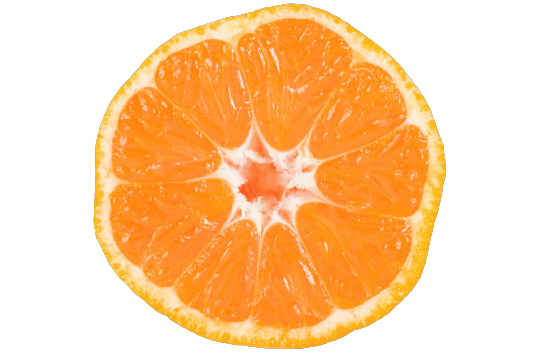
Orange Juice
The history of orange juice dates back to ancient times when oranges were cultivated in Southeast Asia. Oranges belong to the citrus family and taste a lot like their close cousins such as grapefruits and lemons. Though oranges are a tropical/subtropical fruit, they are easily available throughout the year. Oranges have been a favorite fruit flavor for all kinds of recipes since forever and you can either eat it as a fruit, use it to make dishes and desserts or even drink its juice.
Orange juice is extracted from the orange fruit. It is squeezed from the fruit either through commercial mechanical methods, or less complicated methods in the home, such as twisting a half an orange with friction over a juicer to force the juice out of the pulp. Orange juice can be made from concentrate, which involves rehydrating the juice after being dried, which extends the shelf life. It can also be made by concentrating the juice and then adding water.
Orange juice is a favorite beverage that is enjoyed throughout the world by kids and grownups. In fact, surveys reveal that it is the world’s most popular fruit juice.
Prior to 1920, oranges were consumed as a dessert fruit and were mainly considered a luxury since they could only be enjoyed during certain seasons. However, as farming technology advanced, orange production increased exponentially and, in a flash, the citrus groves experienced an unprecedented boom and overproduction. The spread of orange-juice drinking, in contrast with eating of the fresh fruit, significantly increased the per capita consumption of oranges.
The orange juice benefits have made it as popular as its sweet and tangy flavor. Orange juice is widely considered as one of the best beverages in a balanced diet because it is a source of various antioxidants, of several important nutrients, such as vitamin C, and micronutrients.
Whether you drink orange juice squeezed at home or buy it from the store, it will contain similar amounts of vitamins, minerals and plant bioactives. Even processed orange juice counts as a minimally processed food as it is simply put through a brief pasteurisation or high-pressure process to remove any microorganisms that might spoil the product.
Freshly squeezed orange juice is generally considered healthier and more flavorful than store-bought varieties, as it contains no added sugars or preservatives. However, store-bought orange juice can still be a nutritious option, especially if you choose a brand with minimal additives.
Vitae, amet amet in maecenas aliquet ipsum. Lobortis bibendum ut massa lorem blandit pellentesque in varius facilisis. Id lectus in nibh sit sem tristique pharetra .
Tincidunt dictum nec sodales nunc viverra massa. Egestas sed id nunc arcu malesuada adipiscing orci id turpis. Convallis mollis vulputate quam egestas.



